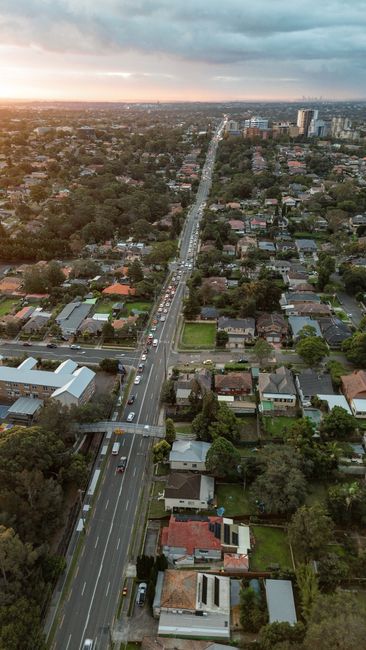
Best streets for easy Bickley removals Clarence Road access tips
Moving in Bickley should feel organised, not like a daily battle with kerbs, parking bays and a van that ends up blocking the one sensible route. If you are looking for the best streets for easy Bickley removals Clarence Road access tips, you are really asking a practical question: where can a removal van stop safely, how do you keep the move flowing, and what should you watch out for before the first box is even lifted? That is exactly what this guide covers.
Clarence Road and the surrounding Bickley streets can be straightforward if you plan them properly. They can also become awkward very quickly if a large vehicle turns up without checking width, parking, turning space, or where the front doors sit in relation to the road. To be fair, most removal stress comes from little access problems, not the packing itself.
This article walks through the local access logic, street selection, timing, vehicle choice, and the day-of details that help a move run smoothly. It is written for homeowners, tenants, families, and anyone arranging a house move or man and van job in the area. If you want a broader view of the service side of things, you can also explore house removals, man with van, and removal services later on.
Table of Contents
- Why Best streets for easy Bickley removals Clarence Road access tips matters
- How it works on the ground in Bickley
- Key benefits and practical advantages
- Who this is for and when it makes sense
- Step-by-step guidance
- Expert tips for better results
- Common mistakes to avoid
- Tools, resources and recommendations
- Law, compliance, standards, and best practice
- Options, methods, or comparison table
- Case study or real-world example
- Practical checklist
- Conclusion
- Frequently Asked Questions
Why Best streets for easy Bickley removals Clarence Road access tips Matters
Access planning sounds like a small detail, but in removals it often decides whether the day feels calm or chaotic. A wide street with sensible parking can save time, reduce carrying distance, and lower the risk of damage to furniture, door frames, and people's backs. A narrow street with cars parked on both sides does the opposite. Simple as that.
Clarence Road sits within a part of Bickley where many moves involve residential roads, mixed parking patterns, and a fair bit of stop-start loading. In a street like that, the best street is not always the closest one. It is the one that gives the van room to stop, gives the team room to work, and keeps neighbours, traffic, and pedestrians out of trouble.
Why does this matter so much? Because removals are already busy. There are boxes, sofas, beds, mirrors, and those oddly awkward items that never seem to fit through a doorway on the first attempt. If the van cannot park well, every item takes longer to move. And when you are paying for time, longer is not a nice surprise.
Expert summary: The easiest Bickley removals are usually the ones where the vehicle can stop close to the property, the route to the front door is clear, and the loading plan is agreed before arrival. That is the difference between a tidy move and a stressful one.
It also matters for safety. Tight corners, poor sightlines, and blocked pavements can create avoidable risks. A little planning around access is not just convenient, it is sensible. If you want to understand how a removal company approaches this kind of job, the about us page gives useful background on the team behind the move, while insurance and safety is worth a look if you want reassurance about handling and protection.
How Best streets for easy Bickley removals Clarence Road access tips Works
The basic idea is straightforward: match the street, the vehicle, and the loading method to each other. In practical terms, that means identifying the road where the van can get closest without causing obstruction, then deciding whether the move should be done in one run, several smaller runs, or with a smaller vehicle for the final approach.
For streets around Clarence Road, the smartest approach is usually to think in layers:
- Approach route: Can a van enter and leave without awkward reversing?
- Stop point: Where can the vehicle pause to load safely?
- Carry distance: How far is the front door from the nearest realistic stopping place?
- Foot traffic and parked cars: Will you need to keep a path open for neighbours and passers-by?
- Property layout: Is there a driveway, shared access, side gate, or narrow frontage?
In the real world, the easiest removal street is often the one with one side of parking, wider turning space, and fewer pinch points. That might not sound glamorous, but it makes a huge difference. The van can line up once, the crew can work efficiently, and there is less back-and-forth carrying. You notice it especially at the end of the day, when everyone is tired and just wants the last table in without drama.
Where Clarence Road itself is concerned, the access tips are less about naming one magic parking spot and more about reading the street properly. Some streets in Bickley are friendly to a medium-size moving van; others are better served by a smaller moving van or a flexible man and van arrangement. If in doubt, planning for less space is usually the safer call.
One useful rule of thumb: if you are unsure whether the vehicle can turn comfortably, do not assume it can. Check, measure, or ask the mover to assess it. A five-minute check can save a half-hour shuffle. No one enjoys that slow, awkward dance of moving a van back and forth in front of a row of houses.
Key Benefits and Practical Advantages
Good street selection for removals is not just about saving a few minutes. It affects the whole experience, from safety to cost control. When access is straightforward, the move tends to feel more predictable and less tiring. That matters if you have children, pets, older relatives, or fragile items in the mix.
- Less carrying distance: Shorter walks to the van reduce effort and the chance of dropping items.
- Faster loading: A properly positioned van can be loaded in a smoother sequence.
- Lower damage risk: Fewer turns, fewer obstacles, fewer scuffs on walls and furniture.
- Better neighbour relations: A tidy, considerate setup avoids unnecessary frustration on the street.
- More accurate scheduling: Once access is understood, time estimates become much more reliable.
Another advantage is mental clarity. Moving day already pulls your attention in ten directions. Having a sensible access plan means one less thing to worry about. You know where the van will stop, who will carry what, and how long the loading phase should take. That alone can make the day feel less frantic.
If your move is larger, you may also find value in reviewing house movers or house removals options, especially where furniture, dismantling, or multiple rooms are involved. For smaller or more local jobs, removals near me can be a useful starting point when you want a quick, nearby service with less fuss.
Who This Is For and When It Makes Sense
This guide is for anyone moving in or around Bickley who wants to make the street work for them, not against them. It is especially relevant if you are dealing with Clarence Road or nearby roads where parking, access, and vehicle size need a bit of thought.
It makes sense if you are:
- moving from a house with limited front access
- using a van rather than a full-size lorry
- relocating on a weekday or during busier local traffic times
- moving bulky furniture such as wardrobes, beds, or sofas
- trying to minimise disruption to neighbours and pedestrians
- working to a tight schedule, such as a completion deadline or key handover
It also matters if you run a small business from home or are planning a commercial move. Sometimes a "simple" street job turns into a proper coordination exercise because of deliveries, work equipment, and access windows. In that case, a more structured service like commercial moves or office removals can be the better fit.
Truth be told, the people who benefit most from access planning are usually the ones who thought they did not need it. Then the moving day arrives, and the road suddenly feels narrower than it did on the viewing. Happens all the time.
Step-by-Step Guidance
Here is a practical way to plan access for easy removals around Clarence Road and similar Bickley streets.
- Walk the route in advance. Start at the front door and look at the path to the road. Notice gates, steps, tight corners, bins, hedges, and cars that usually park nearby.
- Measure the useful spaces. You do not need surveyor-level precision. Just get a rough sense of width, turning room, and whether a van can sit close enough to the property.
- Decide where loading will happen. The closest spot is not always the safest spot. A slightly more open position can save time if it avoids awkward manoeuvres.
- Choose the right vehicle size. If the road is tight, a smaller man with van removal style job may be more practical than forcing a larger vehicle into a poor fit.
- Group items by priority. Keep essentials, fragile pieces, and awkward furniture together so the crew can load in a sensible sequence.
- Protect the path and doors. Use covers, blankets, or simple protection where needed. This is one of those little steps that pays off immediately.
- Confirm arrival timing. A move that starts too early can clash with parking pressure; too late and you may lose the best stopping position.
A small but useful point: if the street is busy, ask yourself whether the van should stop on the same side as the front entrance or whether a short carry from a better parking space will actually be smoother. People often choose the nearest spot and then realise it is the worst one for loading. Slightly annoying, but easy to avoid.
If your home move needs packing support as well, packing and unpacking services can reduce the pressure on the day. Less scrambling for tape at 7:15 in the morning. A gift, frankly.
Expert Tips for Better Results
After many removals, certain habits clearly make the job easier. They are not flashy. They just work.
1. Pick the side of the road that gives the cleanest handoff
If one side of Clarence Road or a nearby street offers a clearer approach to the property, use it even if it means a slightly longer initial stop. The point is to reduce carrying friction. One clean loading line is better than a perfect-looking parking spot that forces constant dodging around car mirrors and wheelie bins.
2. Aim for the fewest turns between house and van
Every extra turn is a chance for a scrape or a pause. Straight-line loading feels boring, but boring is good on move day.
3. Break the load into zones
Keep kitchen, soft furnishings, boxes, and fragile items separate at the property entrance. It helps the team move in an organised way instead of wandering around with mismatched items. You can almost hear the difference in pace once this is done - less shouting, less waiting, fewer "where does this go?" moments.
4. Leave room for neighbours
Bickley is residential, and people still need to get in and out. A considerate layout keeps the move smoother and tends to avoid complaints. Nobody wants to start the day by blocking someone's driveway, let's face it.
5. Keep a fallback plan
If the ideal stop point is taken, have a second-choice location ready. A smart fallback is better than standing there debating the issue while the clock ticks. That sounds obvious, but on moving day obvious things are often the first to disappear.
For more vehicle-related choices, it can help to compare removal van, moving truck, and removal truck hire. Different access conditions suit different vehicles, and picking the right one usually matters more than people expect.
Common Mistakes to Avoid
Most access problems are preventable. The tricky part is that they are easy to overlook when you are focused on the bigger picture of moving house.
- Assuming the street is wide enough: It may look fine from the pavement and still be awkward for a loaded vehicle.
- Ignoring parked cars: The road can be usable in theory and blocked in practice.
- Forgetting turning space: A van that can enter may not be able to leave comfortably.
- Planning only for the front door: Side access, rear gates, and internal stairs can change the whole load plan.
- Leaving everything to the last minute: Access checks done on the morning of the move tend to feel rushed. Because they are rushed.
- Choosing the wrong-sized vehicle: Bigger is not always better. On some streets, smaller and smarter wins.
One more mistake worth mentioning is not checking the service terms or payment expectations before the day. A little admin now saves awkward conversations later. If you want to review practical service information, the pages for pricing and quotes, payment and security, and terms and conditions are sensible places to look.
Tools, Resources and Recommendations
You do not need a complicated toolkit to make a street move work well. A few basic items and a clear plan are enough most of the time.
- Measuring tape: Useful for checking furniture widths, hallway gaps, and gate openings.
- Door protection: Simple covers or blankets help protect finishes during repeated trips.
- Labels and markers: These reduce confusion when boxes come out of the van in a rush.
- Floor protection: Handy if the route from house to van is damp, muddy, or just a bit worn.
- Phone notes: Keep parking instructions, access details, and contact numbers in one place.
For service planning, you may find the following pages useful:
- removals for general move planning
- movers when you want hands-on support
- man with a van for smaller or more flexible jobs
- home moves for household relocations
- furniture pick up if the job is mainly one-off collection work
If you are trying to decide what level of service suits your move, it is usually easier to start with the practical question: how much needs moving, how far is the carry, and how tight is the access? The answer to those three things tells you a lot.
Law, Compliance, Standards, or Best Practice
For street removals in the UK, the main compliance concern is not usually a special "removals law" as such. It is about working safely, avoiding obstruction, and respecting local parking rules, access rights, and property boundaries. Councils may have their own parking controls, and some streets can be affected by permits, restrictions, or loading limits. Those details should always be checked locally before the move.
Best practice is simple:
- do not block driveways or emergency access
- avoid unsafe loading on blind bends or narrow junctions
- keep walkways as clear as possible
- handle heavy items with suitable care and two-person lifts where needed
- use a vehicle that matches the access conditions rather than forcing the issue
From a business point of view, customers should also expect clear communication about liability, handling, and insurance. That is why pages such as health and safety policy and insurance and safety matter. They help set expectations, especially where stairs, narrow access, fragile possessions, or heavier furniture are involved.
There is also a broader standard of care. Good movers should think before they park, lift, or carry. That sounds almost too simple, but it is the heart of a good job. Calm, careful, practical. Nothing fancy.
Options, Methods, or Comparison Table
Different access situations in Bickley call for different move styles. Here is a simple comparison to help you judge what may fit best.
| Move option | Best for | Access strength | Watch out for |
|---|---|---|---|
| Man and van | Smaller loads, flexible timing, quicker local jobs | Very good on tighter streets | May need multiple trips for larger homes |
| Removal van | Typical household moves with moderate furniture | Good balance of capacity and access | Still needs sensible parking space |
| Moving truck | Large moves or multiple rooms | Best when access is wide and clear | Can struggle on narrow residential roads |
| Removal truck hire | Jobs where capacity matters most | Strong capacity, weaker flexibility | Needs careful route and parking planning |
The table is only a guide, of course. Real access is never just about size. A smaller van in the right place often beats a larger vehicle in the wrong one. That is the bit people forget, then the day gets longer than expected.
Case Study or Real-World Example
Imagine a two-bedroom house move near Clarence Road. The property has a neat front path, but the road gets busy with parked cars by late morning. The owner assumes the van can stop directly outside, but on the day that space is taken. Instead of forcing a poor manoeuvre, the crew uses a nearby section with a slightly wider pull-in point and carries items a bit further.
That sounds like a setback, but it is actually a good move. Why? Because the alternative would have been repeated reversing, awkward turning, and a higher chance of bumping a wing mirror or clipping a wall. The team loads in a steady rhythm, starts with bulky items, then boxes, then the fragile pieces. No drama. Just sensible adaptation.
In a better-planned version, the homeowner would have flagged the likely parking pressure in advance and discussed whether a smaller vehicle or earlier start would help. That tiny conversation changes the outcome quite a lot. It is one of those little local-move lessons that only becomes obvious after you have seen a few of them.
This is also where a good removal firm earns its keep. It is not just about lifting strength. It is about reading the street, adjusting the plan, and not pretending every residential road behaves the same. Some do, some absolutely do not.
Practical Checklist
Use this checklist before your Clarence Road or wider Bickley removal day.
- Confirm the move date, start time, and expected vehicle size
- Check whether the van can stop close to the property without blocking access
- Review street parking conditions and likely congestion times
- Measure any tight gates, hallways, or stair turns
- Identify fragile or awkward items that need special handling
- Label boxes by room and priority
- Prepare floor and door protection if needed
- Keep keys, documents, and essentials separate
- Make sure pathways are clear of bins, bikes, and loose items
- Have a fallback loading point in case the first choice is taken
Quick takeaway: if the vehicle, street, and access route all line up, the move feels much easier. If one of them is off, the whole day tends to wobble a bit. Planning is boring until it saves you two hours.
Conclusion
The best streets for easy Bickley removals are not just the ones that look wide on paper. They are the ones that let a vehicle stop safely, allow a sensible walking route to the door, and avoid unnecessary manoeuvres around parked cars, corners, and tight frontage. For Clarence Road access tips, the real win is planning the loading point before moving day arrives.
Keep the street practical, choose the right vehicle, and do not be shy about asking detailed questions. That little bit of preparation protects your furniture, your schedule, and your peace of mind. And honestly, that is what most people really want: a move that feels controlled rather than chaotic.
If you are comparing options for a local move, reviewing removal company and removal companies can help you understand the service level you need before booking. A good move starts with a clear plan, not a lucky guess.
Get a free quote today and see how much you can save.
And if the street looks a little awkward at first glance, do not panic. With the right approach, even a tricky corner in Bickley can become a smooth, manageable move.
Frequently Asked Questions
What are the best streets for easy Bickley removals near Clarence Road?
The easiest streets are usually the ones with wider carriageways, less parked-car pressure, and enough space for a van to stop close to the property. Rather than chasing one perfect street, look for the most practical loading point near Clarence Road with the shortest safe carry.
How do I know if Clarence Road access is suitable for a removal van?
Check whether the van can turn, stop, and leave without repeated reversing. If the road feels tight when you walk it, or if parked cars narrow the space significantly, a smaller vehicle or alternative loading point may be better.
Is a man and van better than a larger removals vehicle for Bickley streets?
Often yes for tighter access. A man and van setup can be easier on residential roads with limited parking or narrow approaches. Larger moves may still need a bigger vehicle, but access should decide that, not habit.
Should I reserve parking for the moving van?
That depends on the local parking situation and any restrictions in place. In some cases, simply choosing an early start and a sensible loading point is enough. If the road is busy or spaces are scarce, planning ahead becomes much more important.
What if my house is on a narrow road with no driveway?
Then access planning matters even more. Use the nearest safe stopping place, protect the route to the house, and consider whether a smaller van would reduce pressure. Sometimes multiple shorter runs are better than one oversized attempt.
Do I need to measure the furniture before booking?
Yes, especially for large wardrobes, sofas, mattresses, and tables. A quick measurement helps avoid awkward surprises on the day. It also helps the mover decide whether dismantling or a different loading method is needed.
How early should I check Clarence Road access before moving day?
Ideally a few days ahead, not the morning of the move. That gives you time to spot parking pressure, tight corners, or obstacles and adjust the plan before anyone is standing outside with a sofa.
What is the biggest mistake people make with local removals?
The biggest mistake is assuming the van can just stop wherever it is convenient. In residential parts of Bickley, that assumption causes delays, extra carrying, and sometimes avoidable safety issues.
Can packing and access planning be handled together?
Yes, and that is usually the smarter way to do it. When items are packed, labelled, and grouped properly, the loading process becomes far more efficient. It is one of those things that looks small but saves a lot of time.
Are there safety rules I should think about on moving day?
Yes. Keep paths clear, avoid blocking driveways, and lift heavy items carefully. If a street feels unsafe for large vehicle movement, adjust the plan rather than forcing it. Safety and speed should work together, not fight each other.
How can I make a small Bickley move feel easier?
Choose a practical loading point, label boxes clearly, keep the route to the van clear, and use the right-sized vehicle. Even a small move feels much smoother when the street access is treated as part of the plan, not an afterthought.
Where should I start if I want help with a local removal?
Start with the move type, the amount of furniture, and the access conditions around your property. Then compare suitable services such as removals, home moves, or man and van removals depending on your situation.